


What Makes Shopping Kraft Paper Bags Work for Modern Retail?
Shopping Kraft Paper Bags are no longer simply a replacement for plastic shopping bags. For retailers, restaurants, boutiques, bakeries, grocery stores, gift shops, and promotional businesses, the right kraft paper bag must combine suitable paper strength, practical dimensions, reliable handles, attractive printing, carrying comfort, and appropriate material specifications. This guide explains how to evaluate kraft paper shopping bags, avoid common purchasing mistakes, improve packaging performance, and create a more professional customer experience with customized paper packaging.
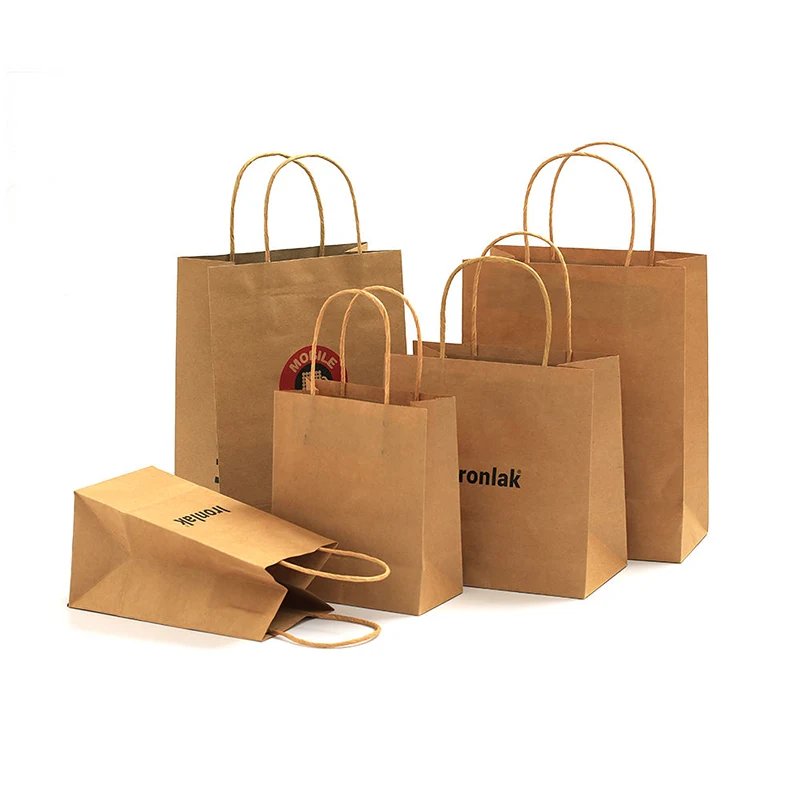
Table of Contents
- Why Shopping Kraft Paper Bags Matter
- What Determines the Performance of a Kraft Paper Bag?
- Where Shopping Kraft Paper Bags Are Used
- Key Specifications Buyers Should Check
- How Customization Improves Packaging
- Common Purchasing Problems and Solutions
- What to Check Before Placing a Bulk Order
- Frequently Asked Questions
- Final Considerations for Buyers
Why Shopping Kraft Paper Bags Matter
Packaging is often the final physical interaction between a customer and a retail business. A product may be carefully designed, displayed, and purchased, but the shopping bag is what the customer carries away from the store. This makes Shopping Kraft Paper Bags an important part of both packaging performance and customer experience.
Kraft paper bags are widely used because they can provide a practical combination of strength, simple appearance, customization flexibility, and convenient handling. Natural brown kraft paper can create a warm and understated appearance, while white kraft paper provides a cleaner surface for detailed branding and colorful graphics.
However, choosing a paper bag should not begin with appearance alone. A bag that looks attractive but cannot comfortably support the intended load can create product damage, customer complaints, and unnecessary packaging costs.
The better approach is to treat the bag as a complete packaging system. Paper material, bag dimensions, gusset depth, handle construction, bottom reinforcement, printing method, product weight, and intended application should all work together.
What Determines the Performance of a Kraft Paper Bag?
The performance of a Shopping Kraft Paper Bag depends on several connected factors rather than one specification. A thicker paper does not automatically mean that every bag design will perform better. The overall structure must be appropriate for the product and carrying conditions.
| Specification | Why It Matters | Buyer Consideration |
|---|---|---|
| Paper Weight | Influences stiffness, durability, and handling. | Match the paper to the expected product weight. |
| Bag Size | Determines product fit and packing efficiency. | Measure the actual product rather than selecting a size by appearance. |
| Gusset | Creates additional internal capacity. | Useful for boxes, food containers, clothing, and irregular products. |
| Handle | Affects carrying comfort and load stability. | Choose twisted, flat, or other handle structures according to usage. |
| Bottom Construction | Supports the contents and reduces deformation. | Consider reinforcement for heavier products. |
| Printing | Creates brand recognition and visual consistency. | Check artwork, colors, folds, seams, and actual samples. |
For this reason, purchasing teams should provide suppliers with actual product dimensions, approximate product weight, intended use, preferred bag appearance, and expected order quantity. These details allow the bag structure to be developed around the real application.
Where Shopping Kraft Paper Bags Are Used
The versatility of kraft paper makes shopping bags suitable for a broad range of commercial environments. Different industries, however, have different packaging priorities.
- Fashion and Apparel: Clothing stores and boutiques often need bags that provide enough width and height for folded garments while presenting the brand clearly.
- Grocery Retail: Grocery applications usually place greater emphasis on load-bearing performance, bag stability, and efficient packing.
- Bakery and Food Service: Bakeries, cafés, and takeaway businesses may require specific paper and construction features depending on food type, moisture, grease, temperature, and contact conditions.
- Cosmetics and Personal Care: Smaller bags with carefully controlled printing can create a premium retail presentation.
- Gift Shops: A customized kraft bag can become part of the gift presentation rather than simply a transport container.
- Events and Promotions: Printed paper bags can carry logos, event messages, promotional graphics, or campaign information.
- E-commerce and Pickup: Retailers using physical pickup locations can use branded paper bags to maintain visual consistency between online and offline customer experiences.
The important point is that there is no single kraft bag specification suitable for every business. A bakery bag, luxury retail bag, grocery bag, and promotional bag may require completely different structures even though all are described as kraft paper bags.
Key Specifications Buyers Should Check
When comparing suppliers, buyers often focus on unit price first. Price matters, but it should be evaluated together with the specifications that determine actual packaging performance.
1. Paper Selection
Brown kraft paper offers a natural visual appearance, while white kraft paper provides a brighter printing surface. Recycled or specialty papers may also be considered when they fit the required application and market expectations.
2. Dimensions
Bag dimensions should be based on the product and packing method. Width, height, and gusset depth should leave enough room for loading without making the bag unnecessarily large.
3. Handle Design
Twisted paper handles and flat paper handles are common choices. Handle selection should consider product weight, carrying distance, customer comfort, and the overall visual style of the packaging.
4. Bottom Strength
The bottom is one of the most important areas of a shopping bag. Heavy or dense products may require reinforced construction so that the bag remains stable during transportation.
5. Printing Requirements
Logo size, color accuracy, printing coverage, text readability, and placement should be checked using an actual production sample whenever possible. A design that looks correct on a computer screen may appear different when printed on natural kraft paper.
6. Packaging and Shipping
Bulk buyers should also consider how finished bags are folded, packed, protected from moisture, and prepared for transportation. Efficient outer packaging can help reduce unnecessary shipping volume and protect the bags before they reach the point of use.
How Customization Improves Packaging
Customization allows businesses to create shopping bags that match their products, brand identity, and customer expectations. Instead of treating a bag as a generic container, businesses can use it as an extension of the retail experience.
Common customization options include:
- Custom bag width, height, and gusset dimensions
- Brown, white, or selected kraft paper options
- Twisted paper handles
- Flat paper handles
- Handle length adjustments
- Single-color or multi-color logo printing
- Brand slogans and product information
- Custom artwork and seasonal graphics
- Reinforced bottom construction
- Special packaging and carton requirements
For brands with multiple product categories, it can be useful to create a coordinated bag system. For example, small bags can be used for cosmetics and accessories, medium bags for clothing and boxed products, and larger bags for multiple-item purchases. Consistent artwork across different sizes can make the entire retail environment feel more professional.
Longgang City Tongbo Packaging Co., Ltd. can be positioned as a packaging partner for businesses that require customized kraft paper shopping bags based on product dimensions, branding requirements, and application conditions.
Customization should also be practical. Adding excessive finishing, unnecessary layers, or complicated components may increase cost and affect the intended material characteristics. The best packaging specification is normally the one that achieves the required performance without adding unnecessary complexity.
Common Purchasing Problems and Solutions
Many packaging problems occur because the bag is selected before the actual usage conditions are clearly defined. The following issues are particularly common in bulk purchasing.
| Common Problem | Possible Cause | Practical Solution |
|---|---|---|
| Bag tears during carrying | Paper, handle, or bottom structure does not match the load. | Test the complete bag with the actual product weight. |
| Product does not fit correctly | Bag dimensions were selected without considering product shape. | Confirm width, height, and gusset requirements before production. |
| Printing looks different from artwork | Kraft paper affects color appearance. | Approve a physical printed sample before bulk production. |
| Handles feel uncomfortable | Handle material or length is unsuitable for the load. | Test handle strength and carrying comfort with actual contents. |
| Excessive packaging cost | Bag structure is over-specified. | Optimize paper weight, dimensions, printing, and order quantity together. |
A sample is therefore more than a visual approval step. It can be used to evaluate dimensions, loading speed, handle comfort, structural stability, print appearance, and overall customer experience before committing to a large production run.
What to Check Before Placing a Bulk Order
Choosing a supplier involves more than comparing quotations. A reliable purchasing process should establish whether the supplier can consistently reproduce the approved specifications.
- Confirm material specifications. Ask for the paper type, paper weight, and any special material requirements.
- Provide exact dimensions. Include product size and preferred packing method whenever possible.
- Explain the expected load. The supplier needs to understand what the bag will actually carry.
- Request a sample. Evaluate the physical product rather than relying only on digital artwork or photographs.
- Confirm printing details. Check logo positioning, colors, artwork, and visible seams or folds.
- Review production consistency. For recurring orders, the supplier should be able to maintain the agreed specifications from batch to batch.
- Clarify packaging and delivery. Confirm carton quantities, outer protection, shipping requirements, and delivery expectations before production.
For businesses purchasing internationally, clear communication is especially important. A detailed specification sheet can reduce misunderstandings and make repeat orders easier because both parties have a defined reference for the approved product.
Frequently Asked Questions
Are Shopping Kraft Paper Bags suitable for heavy products?
They can be, provided the paper weight, bag dimensions, handle construction, bottom structure, and overall design are selected according to the actual product load. Heavy products should be tested using a finished sample before bulk production.
Can kraft paper shopping bags be customized with a logo?
Yes. Logo printing, custom artwork, different bag sizes, handle styles, and other structural specifications can be developed according to the project requirements.
What information should I provide when requesting a quotation?
Provide the desired bag dimensions, product type, approximate product weight, paper preference, handle style, printing requirements, estimated quantity, destination market, and any special packaging requirements.
Should I choose brown or white kraft paper?
Brown kraft paper generally provides a natural and understated appearance, while white kraft paper offers a brighter printing surface. The appropriate option depends on the brand identity, artwork, product category, and desired visual effect.
How can I prevent a shopping bag from tearing?
Start by matching the paper and bag structure to the actual load. Handle attachment, bottom construction, gusset dimensions, and paper strength should all be considered together. A physical load test is recommended before large-volume production.
Are kraft paper bags suitable for food businesses?
They can be used in many food-service applications, but the exact material and construction should be selected according to the food type, moisture, grease, temperature, contact conditions, and applicable market requirements. Food-related applications should be specified clearly when requesting a quotation.
Can one supplier produce different bag sizes for the same brand?
Yes. A coordinated product range can include multiple dimensions and structures while maintaining consistent branding. This is useful for retailers selling products with significantly different sizes and weights.
Why is a sample important before a bulk order?
A sample allows buyers to inspect the actual paper feel, dimensions, printing, handle attachment, bottom construction, loading performance, and overall appearance. It can reveal issues that are difficult to identify from artwork or product photographs alone.
Final Considerations for Buyers
Shopping Kraft Paper Bags should be selected according to the complete packaging requirement rather than a single factor such as price, appearance, or paper thickness. The right solution balances product protection, carrying performance, practical dimensions, visual presentation, customization, and purchasing efficiency.
For retailers, the bag can reinforce the customer's perception of the product long after the purchase has been completed. For food businesses, the bag needs to work efficiently in a fast-paced service environment. For fashion, cosmetics, and gift brands, visual consistency can be just as important as physical performance.
A successful purchasing process therefore begins with a clear specification: what the bag will carry, how much it will carry, how it will be handled, where it will be used, and how the brand should appear on it.
With the right specifications and professional manufacturing support, a kraft paper shopping bag can become more than a simple carrier. It can provide dependable everyday performance while creating a consistent and recognizable brand experience.
Build Your Custom Shopping Kraft Paper Bags
If your business needs customized Shopping Kraft Paper Bags for retail, food service, boutiques, gifts, grocery products, or promotional applications, Longgang City Tongbo Packaging Co., Ltd. can help develop packaging around your required size, structure, branding, and application.
Share your product dimensions, expected load, preferred paper style, printing requirements, and order quantity to discuss a suitable packaging solution. For customized kraft paper shopping bags and bulk packaging requirements, contact us to start your project.