


How Can a Print Paper Gift Bag Enhance Your Brand Packaging and Customer Experience?
Packaging is often the first physical interaction customers have with a brand after making a purchase. Before they discover the product inside, they notice the packaging's appearance, texture, colors, and overall quality. This is why a well-designed Print Paper Gift Bag has become an important packaging solution for retailers, gift shops, cosmetic brands, fashion businesses, and promotional product suppliers.
Unlike ordinary shopping bags, printed paper gift bags combine practical carrying functions with brand communication. They can display logos, product information, promotional messages, and distinctive visual designs while providing customers with a convenient way to carry gifts and purchases.
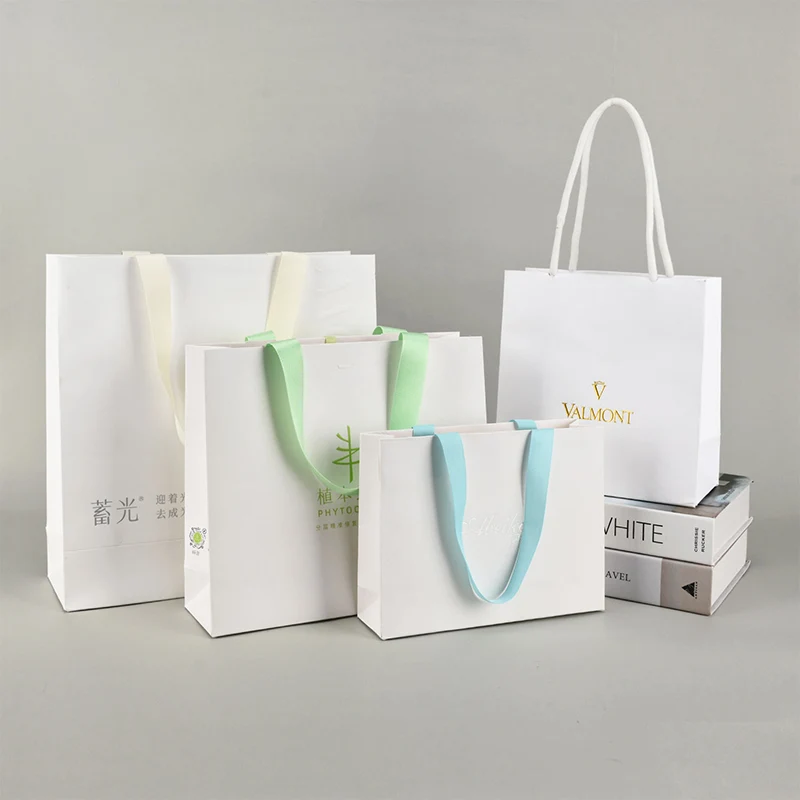
A print paper gift bag is more than a packaging container. It helps businesses strengthen brand recognition, improve product presentation, and create a more memorable customer experience. This guide explains how to choose suitable paper materials, printing methods, bag structures, handles, finishes, and customization options. It also covers common purchasing concerns, cost considerations, quality control, and practical tips for sourcing printed paper gift bags in bulk.
Table of Contents
- Why Does a Print Paper Gift Bag Matter for Modern Businesses?
- Which Paper Materials Are Suitable for Gift Bags?
- What Printing Methods Create Better Visual Results?
- How Should Businesses Design an Effective Paper Gift Bag?
- What Structural Features Affect Bag Performance?
- How Can Surface Finishes Improve Packaging Appearance?
- Where Are Printed Paper Gift Bags Commonly Used?
- How Can Businesses Make More Sustainable Packaging Choices?
- What Factors Influence Custom Paper Gift Bag Costs?
- How Can Buyers Evaluate Paper Gift Bag Quality?
- What Should Buyers Look for in a Paper Gift Bag Manufacturer?
- Frequently Asked Questions
1. Why Does a Print Paper Gift Bag Matter for Modern Businesses?
In competitive retail markets, packaging influences how customers perceive a product and the business behind it. A thoughtfully designed printed paper gift bag can make an ordinary purchase feel more valuable and presentable.
Strengthening Brand Recognition
A printed gift bag provides a visible space for displaying a company logo, brand colors, slogan, and other visual elements. When customers carry these bags in shopping centers, offices, or public spaces, the packaging can introduce the brand to a wider audience.
Consistent printing and design also help businesses maintain a recognizable visual identity across different packaging products.
Improving the Gift-Giving Experience
Gift packaging should communicate care and attention to detail. A quality paper gift bag eliminates the need for customers to purchase additional wrapping materials and makes products easier to present during birthdays, holidays, corporate events, and other occasions.
Adding Practical Marketing Value
Compared with disposable packaging that is immediately discarded, attractive paper gift bags may be reused by customers. This gives businesses additional opportunities for brand exposure after the original purchase.
Business Insight:
The best printed gift bags balance visual appeal, carrying performance, and production cost. A beautiful design is valuable, but it should also work effectively for the products and customers it is intended to serve.
2. Which Paper Materials Are Suitable for Gift Bags?
Paper selection directly affects the appearance, durability, printing performance, and overall cost of a custom gift bag. Buyers should consider product weight, intended use, brand positioning, and environmental requirements before selecting a material.
Common Paper Materials
| Paper Material | Main Characteristics | Suitable Applications |
|---|---|---|
| Coated Paper | Smooth surface, suitable for detailed graphics and vibrant printing | Retail gift bags, cosmetic packaging, promotional bags |
| Art Paper | Fine surface texture and good color reproduction | Premium gift bags, boutique packaging |
| Kraft Paper | Natural appearance, available in brown and white varieties | Eco-conscious retail packaging, handmade products |
| Cardstock | Relatively firm structure and good shape retention | Small gift bags, luxury product packaging |
| Specialty Paper | Distinctive textures, colors, and decorative effects | High-end gifts, seasonal packaging, branded collections |
How Should Paper Thickness Be Selected?
Paper thickness is commonly expressed in GSM, meaning grams per square meter. A higher GSM generally indicates a heavier paper, but it does not automatically guarantee better bag performance. Paper type, fiber quality, construction, reinforcement, and manufacturing processes also matter.
For example:
- Lightweight paper: Suitable for lightweight merchandise, promotional materials, and small retail items.
- Medium-weight paper: A practical option for general retail gift bags and everyday packaging.
- Heavyweight paper: Often selected for premium gift packaging and products requiring additional structural support.
Buyers should discuss the actual product weight and expected carrying conditions with their manufacturer rather than selecting paper based on GSM alone.
3. What Printing Methods Create Better Visual Results?
Printing determines how effectively a gift bag communicates a brand's identity. The appropriate printing method depends on artwork complexity, order quantity, color requirements, material selection, and budget.
Offset Printing
Offset printing is widely used for commercial paper packaging. It can produce consistent colors, sharp text, and detailed graphics, making it suitable for medium and large production runs.
Businesses with established brand guidelines often choose this method to maintain consistency across multiple packaging batches.
Digital Printing
Digital printing transfers artwork directly onto the printing material without conventional printing plates. It can be useful for short production runs, personalized designs, and projects requiring multiple artwork variations.
Flexographic Printing
Flexographic printing is commonly associated with packaging production and can be suitable for certain paper substrates and relatively simple graphic designs. Its suitability depends on the material, printing requirements, and equipment available.
| Printing Method | Main Advantage | Best Application |
|---|---|---|
| Offset Printing | Consistent color and detailed graphics | Medium to large orders |
| Digital Printing | Flexible artwork changes and short runs | Small batches and customized designs |
| Flexographic Printing | Efficient production for suitable packaging designs | Specific paper packaging applications |
Important Printing Details Buyers Should Confirm
- Whether the supplier can reproduce the required brand colors.
- Whether the artwork resolution is suitable for printing.
- Whether text and small design elements remain clear.
- Whether the printing method is compatible with the selected paper.
- Whether a physical sample or production proof can be approved before mass production.
4. How Should Businesses Design an Effective Paper Gift Bag?
An effective design should reflect the brand while keeping the bag visually balanced and easy to use. Overly complicated graphics, excessive text, or unsuitable color combinations can reduce the overall packaging quality.
Keep Brand Elements Consistent
Use the same logo, typography, and primary brand colors across shopping bags, gift boxes, product labels, and other packaging materials. This creates a consistent visual experience throughout the customer's purchasing journey.
Choose Colors Based on Brand Positioning
Different colors create different visual impressions. Neutral colors often communicate simplicity and sophistication, while brighter colors can create an energetic and playful appearance.
For example:
- Black, white, and metallic accents can create a refined luxury appearance.
- Brown kraft paper can communicate a natural and understated style.
- Pastel colors are often suitable for beauty products and delicate gift packaging.
- Bright seasonal colors can attract attention during holiday promotions.
Consider All Sides of the Bag
Do not focus exclusively on the front panel. The back, side gussets, bottom, and handle area can also contribute to the overall design. Businesses can use these spaces for secondary brand elements, decorative patterns, or additional messaging.
Prepare Print-Ready Artwork
Before production, buyers should confirm the bag dimensions, dieline, bleed area, safe printing margins, color mode, and artwork resolution with the manufacturer.
Proper artwork preparation reduces communication errors and helps prevent unexpected differences between the approved design and finished packaging.
5. What Structural Features Affect Bag Performance?
A paper gift bag must do more than look attractive. Its structure should support the intended products and remain convenient during carrying, storage, and transportation.
Bag Size and Capacity
Bag dimensions should match the product's length, width, height, and weight. A bag that is too small can damage the product or make packing difficult, while an oversized bag may increase material consumption and shipping costs.
Handle Options
Handles influence both comfort and appearance. Common options include:
- Twisted paper handles: Practical for general retail and gift packaging.
- Flat paper handles: A simple option for lightweight shopping bags.
- Cotton rope handles: Often used for premium and boutique packaging.
- Ribbon handles: Suitable for decorative gift bags and special occasions.
- Die-cut handles: Integrated into the bag structure for selected designs.
Bottom Construction and Reinforcement
The bottom panel is one of the most important structural areas because it supports the contents of the bag. Reinforced bottom boards, suitable adhesive application, and appropriate folding structures can improve stability.
For products with greater weight, buyers should also consider handle attachment strength, side gusset construction, and the overall paper specification.
Practical Recommendation:
Always test a sample using products with similar dimensions and weight to the actual merchandise. A paper bag that looks strong when empty may perform differently when fully loaded.
6. How Can Surface Finishes Improve Packaging Appearance?
Surface finishing adds another layer of visual and tactile appeal to printed paper gift bags. The right finishing option can help a product stand out without making the design unnecessarily complicated.
Popular Finishing Options
- Matte Lamination: Creates a smooth, understated appearance and reduces surface gloss.
- Gloss Lamination: Produces a shiny surface that can make printed colors appear more vivid.
- Hot Foil Stamping: Adds metallic decorative details, often used for logos and brand names.
- Embossing: Creates raised design elements that add texture.
- Debossing: Presses design elements into the paper surface.
- Spot UV: Applies a glossy coating to selected areas for visual contrast.
How to Avoid Unnecessary Finishing Costs
Not every paper gift bag needs multiple finishing techniques. Applying too many effects can increase production costs and create a crowded appearance.
A better approach is to identify the most important visual element, such as the brand logo, and use one or two finishing techniques to emphasize it.
7. Where Are Printed Paper Gift Bags Commonly Used?
Printed paper gift bags are versatile packaging products suitable for different industries and purchasing occasions. Their designs can be adjusted according to product characteristics, brand positioning, and customer expectations.
Retail and Fashion
Clothing stores, accessory retailers, footwear brands, and boutique shops use printed paper bags to package purchased products. Custom logos and coordinated colors help maintain a recognizable retail identity.
Beauty and Personal Care
Cosmetic brands and skincare retailers often use attractive gift bags for product sets, promotional campaigns, holiday collections, and customer gifts.
Corporate Gifts and Promotional Events
Businesses can customize paper gift bags with company logos, event names, and promotional messages for exhibitions, conferences, employee appreciation programs, and business celebrations.
Food and Specialty Gift Retail
Chocolate shops, confectionery stores, specialty food retailers, and gift boutiques may use printed paper bags for selected products. When packaging comes into direct contact with food, the material and any coatings or inks must meet the applicable food-contact requirements.
Seasonal and Holiday Packaging
Christmas, Valentine's Day, Mother's Day, and other seasonal events create opportunities for limited-edition printed gift bags. Businesses can refresh their packaging designs while maintaining consistent brand elements.
8. How Can Businesses Make More Sustainable Packaging Choices?
Environmental considerations have become increasingly important in packaging purchasing decisions. Many businesses are exploring paper-based packaging as part of their efforts to reduce reliance on certain plastic packaging products.
However, choosing paper does not automatically make a bag environmentally sustainable. Material sourcing, coatings, adhesives, printing processes, transportation, and end-of-life disposal all influence its environmental impact.
Consider Responsible Paper Sourcing
Buyers can ask suppliers about the origin of paper materials and whether certified sourcing options are available. Where relevant, certifications such as FSC can help buyers assess forest-related sourcing claims.
Evaluate Coatings and Laminations
Some surface treatments may make paper packaging more difficult to recycle through ordinary paper recycling systems. If recyclability is a priority, discuss unlaminated paper, suitable water-based coatings, and other compatible finishing options with the manufacturer.
Design for Practical Reuse
Durable construction and timeless designs can encourage customers to reuse paper gift bags. Reuse may extend the useful life of packaging and provide additional brand exposure.
Avoid Unsupported Environmental Claims
Businesses should verify material specifications and relevant certifications before describing packaging as recyclable, compostable, biodegradable, or sustainably sourced. Environmental claims should reflect the actual product and the conditions under which it can be processed.
9. What Factors Influence Custom Paper Gift Bag Costs?
For wholesale buyers and brand owners, understanding the cost structure of a custom print paper gift bag is essential when planning packaging budgets.
There is no universal price for custom paper gift bags because each order may involve different materials, dimensions, printing requirements, finishing options, and production quantities.
Main Cost Factors
| Cost Factor | How It Affects Pricing |
|---|---|
| Paper Material | Different paper grades, thicknesses, and specialty materials have different costs. |
| Bag Dimensions | Larger bags generally require more paper and may increase material consumption. |
| Printing Colors | Artwork complexity and printing requirements can influence setup and production costs. |
| Surface Finishing | Foil stamping, embossing, lamination, and other treatments add processing costs. |
| Handle Type | Different handle materials and attachment processes affect the final price. |
| Order Quantity | Production volume influences unit cost, setup allocation, and manufacturing efficiency. |
| Packaging and Shipping | Carton specifications, order volume, destination, and transportation method affect landed cost. |
How Can Buyers Control Packaging Costs?
- Confirm the actual product dimensions: Avoid unnecessary oversized bags.
- Select suitable paper specifications: Match paper strength to the product's weight and intended use.
- Keep the design efficient: Focus on essential brand elements rather than excessive decorative effects.
- Plan order quantities: Compare unit prices at different production volumes.
- Request a complete quotation: Confirm whether sampling, printing plates, finishing, packing, and shipping are included.
When comparing suppliers, buyers should evaluate the total delivered cost rather than focusing only on the quoted unit price.
10. How Can Buyers Evaluate Paper Gift Bag Quality?
Quality problems can lead to damaged products, customer complaints, and additional replacement costs. A clear inspection process helps businesses reduce these risks before accepting large orders.
Key Quality Inspection Points
- Printing consistency: Check whether colors, logos, and text match the approved artwork.
- Paper condition: Look for wrinkles, tears, stains, and unwanted surface marks.
- Structural strength: Inspect the bottom panel, side folds, and handle attachment areas.
- Adhesive performance: Check whether glued areas are firmly attached.
- Dimensions: Verify bag width, height, gusset, and other agreed specifications.
- Surface finishing: Check for uneven lamination, missing foil, scratches, and inconsistent coatings.
- Packaging condition: Ensure finished bags are protected against moisture, crushing, and transportation damage.
Why Is Sample Approval Important?
A physical sample allows buyers to evaluate the actual material, color appearance, handle comfort, construction, and overall product quality before mass production.
For repeat orders, keeping an approved reference sample and written specifications can also help maintain consistency between production batches.
11. What Should Buyers Look for in a Paper Gift Bag Manufacturer?
Choosing a suitable manufacturing partner is just as important as choosing the right paper and printing method. A reliable supplier should understand both packaging requirements and the practical challenges faced by business buyers.
Manufacturing and Customization Capabilities
Check whether the manufacturer can support different bag dimensions, paper materials, printing methods, handle options, and surface finishing requirements. A supplier with flexible customization capabilities can help businesses develop packaging that matches their product positioning.
Clear Communication and Technical Support
Packaging projects often involve multiple details, including artwork files, dielines, color specifications, structural samples, and production schedules. Clear communication helps prevent misunderstandings and reduces unnecessary revisions.
Transparent Production Information
Before placing an order, buyers should confirm the production lead time, minimum order quantity, sample arrangements, inspection procedures, packing details, and shipping terms.
Experience with Different Packaging Requirements
A manufacturer familiar with various industries may be better prepared to understand differences between luxury retail bags, promotional gift bags, cosmetic packaging, and everyday shopping bags.
Longgang City Tongbo Packaging Co., Ltd. is a company name buyers can consider when discussing customized paper packaging requirements. When evaluating any potential packaging partner, businesses should confirm the supplier's actual production capabilities, material specifications, customization services, and quality control arrangements based on their project needs.
Before Confirming an Order, Prepare These Details:
- Required bag dimensions and estimated product weight.
- Preferred paper material and thickness.
- Logo artwork and printing requirements.
- Handle material and finishing preferences.
- Estimated order quantity.
- Target delivery date and shipping destination.
12. Frequently Asked Questions About Print Paper Gift Bags
Q1: What is a print paper gift bag?
A print paper gift bag is a paper-based carrying bag customized with printed designs, logos, brand information, or decorative graphics. It is commonly used for retail purchases, gift packaging, promotional events, and branded merchandise.
Q2: Which paper is best for custom printed gift bags?
The best paper depends on the intended application. Coated paper is suitable for detailed graphics and colorful designs, kraft paper offers a natural appearance, and heavier cardstock can provide additional structure for selected premium packaging applications.
Q3: Can I customize the size and design of a paper gift bag?
Yes. Custom paper gift bags can be produced in different dimensions, colors, printing styles, handle types, and finishing options. Buyers should provide their product dimensions and design requirements when requesting a quotation.
Q4: What is the difference between kraft paper and coated paper gift bags?
Kraft paper gift bags generally have a natural, understated appearance and are often selected for simple or environmentally oriented packaging designs. Coated paper has a smoother surface that supports detailed printing and vivid graphics, making it suitable for many retail and promotional applications.
Q5: Are printed paper gift bags recyclable?
Many paper gift bags can be recycled, but the actual recyclability depends on their paper composition, coatings, laminations, adhesives, and local recycling facilities. Buyers should confirm the specific material construction before making recycling claims.
Q6: What printing method is best for bulk paper gift bag orders?
Offset printing is commonly suitable for medium and large production runs requiring consistent colors and detailed artwork. However, the best method depends on order quantity, design complexity, substrate, and production requirements.
Q7: How can I make a paper gift bag stronger?
Strength can be improved through appropriate paper selection, reinforced bottom construction, suitable handle materials, reliable adhesive application, and proper structural design. Product weight testing is recommended before mass production.
Q8: What information is needed to request a custom gift bag quotation?
Buyers should provide bag dimensions, paper material, thickness, printing artwork, handle preferences, finishing requirements, order quantity, and delivery destination. Reference images or existing samples can also help clarify expectations.
Q9: Can paper gift bags be used for luxury packaging?
Yes. Luxury paper gift bags can incorporate premium paper, carefully selected colors, foil stamping, embossing, specialty handles, and reinforced structures. The combination of materials and finishing techniques should reflect the brand's positioning.
Q10: How can businesses maintain consistent quality across repeat orders?
Businesses should maintain approved reference samples, detailed material specifications, printing color standards, dimensional requirements, and inspection records. These references help suppliers reproduce the agreed packaging specifications for future production runs.
Final Thoughts
A well-designed Print Paper Gift Bag combines visual presentation, practical functionality, and brand communication. From paper selection and printing methods to handle construction and surface finishing, every detail contributes to the final packaging experience.
For retailers, distributors, and brand owners, the most effective packaging solution is not necessarily the most expensive one. It is the solution that matches the product, meets customer expectations, supports the brand identity, and remains practical for large-scale purchasing.
Working with an experienced packaging supplier and confirming specifications before mass production can help businesses avoid unnecessary costs while achieving more consistent packaging quality.
Whether you need branded retail gift bags, customized promotional packaging, or paper gift bags for special occasions, choosing the right materials and manufacturing specifications is essential.
Longgang City Tongbo Packaging Co., Ltd. welcomes businesses to discuss their paper packaging requirements and explore suitable customization solutions.
Share your preferred bag dimensions, materials, printing artwork, and order quantity to discuss your project requirements. Contact us today to learn more about customized paper gift bag solutions for your business.
Previous:No News